![[{[item.product.name]}]]([{[item.product.photo.url]}] 75w)
For free delivery are missing -,--
Order Summary
Sum 0,00 £
Price includes discounts

Platinum and Palladium Investments
Number of products: 27Platinum and palladium belong to the platinum group metals (PGM) and are considerably rarer than gold or silver. Annual platinum production is merely around 180 tonnes, palladium around 210 tonnes — by comparison, over 3,300 tonnes of gold are mined each year. At GoldInvest24 you can buy platinum coins and bars as well as palladium bars from manufacturers with the highest reputation — Münze Österreich, Perth Mint, Valcambi, PAMP, Argor-Heraeus and Johnson Matthey. All products meet the 999.5 fineness standard.
Both metals play a key role in industry — platinum drives hydrogen technologies (fuel cells, PEM electrolysers), while palladium dominates in catalytic converters for petrol vehicles. Both platinum and palladium are subject to VAT. Browse the available products, compare the current precious metals prices and choose the format that suits your requirements.

What are platinum and palladium?
Platinum (Pt) and palladium (Pd) are the two most important metals from the platinum group (PGM — Platinum Group Metals). Both are precious metals with high chemical resistance, exceptional geological rarity and broad industrial application. In bullion form they are available as bars and coins with a fineness of 999.5 — the international standard for PGM metals.
Over 70% of the world's platinum comes from South Africa, and around 40% of palladium from Russia. This geographic concentration of mining means that supply of both metals is structurally constrained and vulnerable to disruption — distinguishing them from gold and silver, whose sources are more widely dispersed.
Why buy platinum and palladium?
Platinum and palladium combine the properties of precious metals with a strong industrial profile. Platinum is an indispensable catalyst in hydrogen technologies (PEM fuel cells, electrolysers), automotive catalytic converters (diesel engines) and in jewellery. Palladium dominates in three-way catalytic converters (TWC) for petrol vehicles — accounting for around 85% of total demand in this segment.
From a buyer's perspective, three characteristics are key: fundamental rarity (production many times lower than gold), strong next-generation industrial demand (hydrogen, photovoltaics, electronics) and low price correlation with gold — making platinum group metals a complement to, rather than a substitute for, gold in a precious metals portfolio.
- Fundamental rarity — annual platinum production around 180 tonnes, palladium around 210 tonnes
- Key role in hydrogen and automotive technologies
- Low price correlation with gold — complementing the precious metals portfolio
- Products from manufacturers with the highest reputation and LBMA accreditation
- Fineness 999.5 — international standard for PGM metals
Platinum — the metal of hydrogen technology
Platinum exhibits the highest catalytic activity for the oxygen reduction reaction (ORR) at ambient temperatures — there is no economically viable substitute in PEM fuel cell technology (Proton Exchange Membrane). It is used on both the anode side (water electrolysis for hydrogen production) and the cathode side (fuel cells in vehicles and power plants).
Beyond the hydrogen sector, platinum plays a significant role in automotive catalytic converters (diesel and hybrid engines), jewellery (historically 30–40% of retail demand from China) and in the chemical and electronics industries. It is one of the metals with the broadest application profile among all precious metals.
Palladium — the metal of automotive catalytic converters
Palladium dominates the petrol three-way catalytic converter (TWC) segment — accounting for around 85% of total demand for this metal. Emission standards such as Euro 6/7 and China 6 require high-performance catalytic converters, maintaining demand for palladium in the combustion engine and plug-in hybrid segment.
There are no popular palladium bullion coins on the global market — available series (Canadian Maple Leaf Pd, American Palladium Eagle) were minted in limited runs and do not function as standard bullion instruments. The retail palladium market relies exclusively on bars from refineries — Valcambi, Argor-Heraeus and PAMP.
Platinum and palladium — parameter comparison
The table below compares the key parameters of both platinum group metals. A practical reference point when comparing application, supply and the form available on the retail market.
| Parameter | Platinum (Pt) | Palladium (Pd) |
|---|---|---|
| Fineness | 999.5 | 999.5 |
| Bullion form | Coins and bars | Bars only |
| Main application | Hydrogen, diesel catalytic converters, jewellery | Petrol catalytic converters (85% of demand) |
| Annual production | ~180 tonnes | ~210 tonnes |
| Main production region | South Africa (~70%) | Russia (~40%), South Africa (~35%) |
| VAT | Applicable | Applicable |
| Secondary liquidity | Moderate | Low to moderate |
The two metals differ primarily in their demand profile. Platinum has a more diversified application spectrum (hydrogen, automotive, jewellery, chemical industry), while palladium is heavily concentrated in a single segment — petrol catalytic converters. This difference affects the price volatility and secondary liquidity of both metals.
Platinum coins and platinum bars
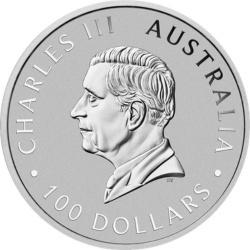
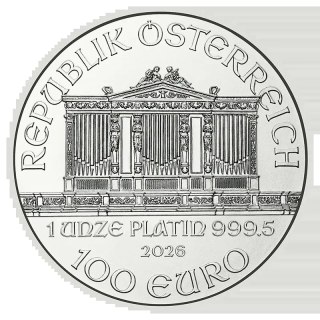
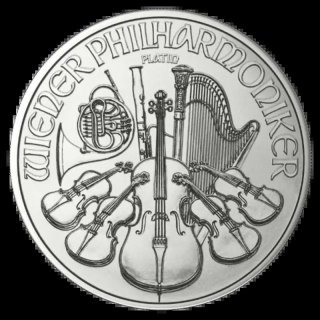
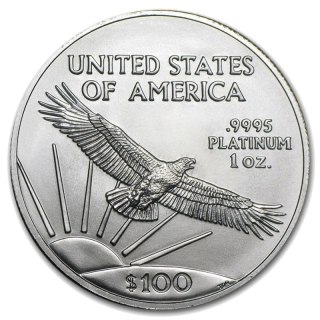
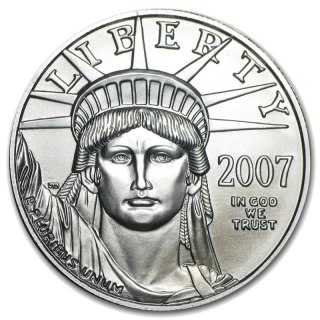
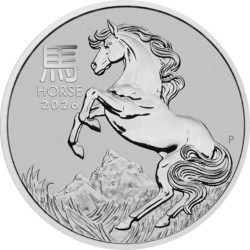
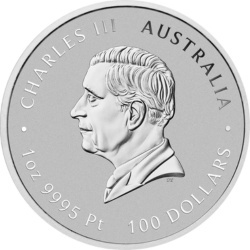
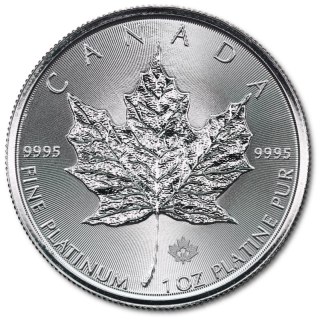
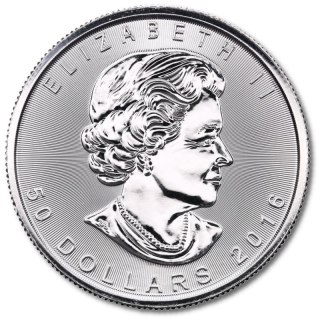
Platinum coins in the GoldInvest24 range come from mints with international reputation — Münze Österreich (Vienna Philharmonic), Perth Mint (Lunar series) and Royal Canadian Mint (Maple Leaf). Each coin has a fineness of 999.5, a defined precious metal weight and a face value in the currency of the issuing country.
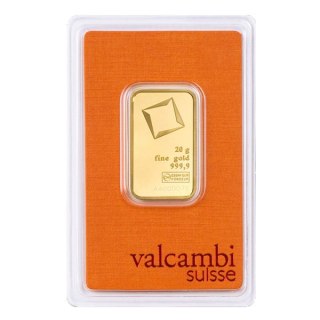
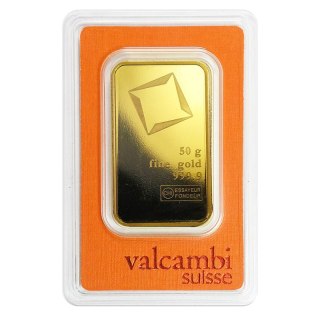
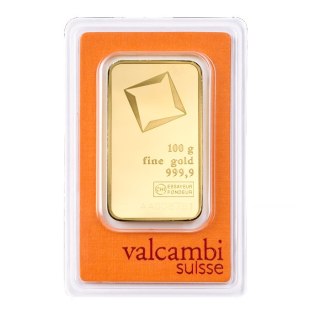
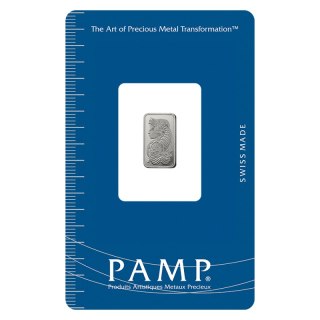
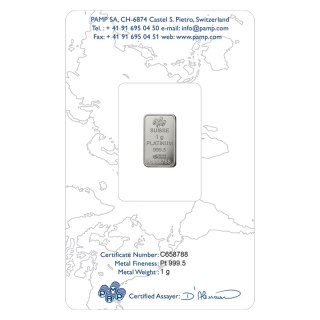
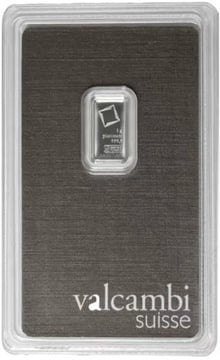
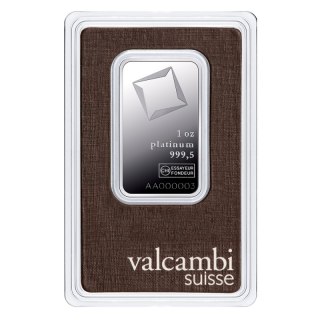
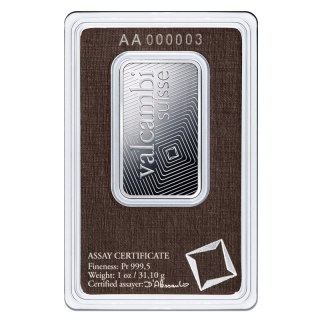
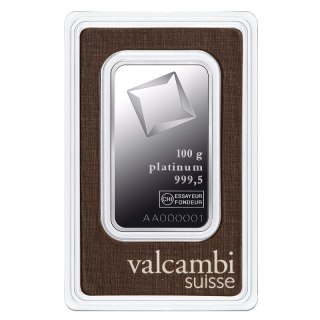
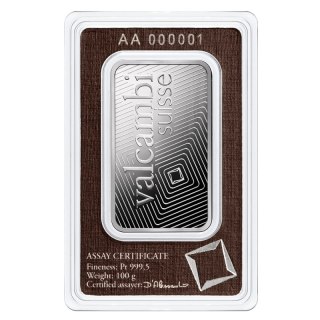
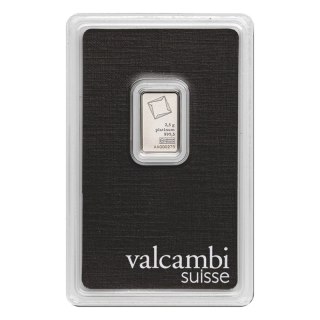
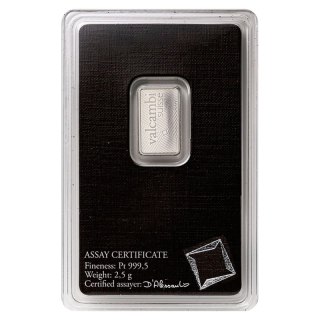
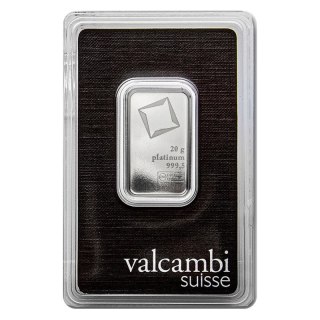
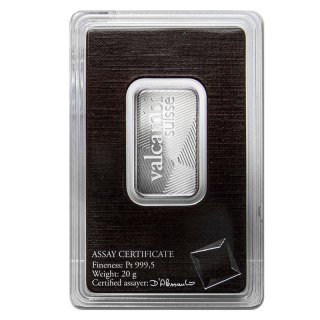
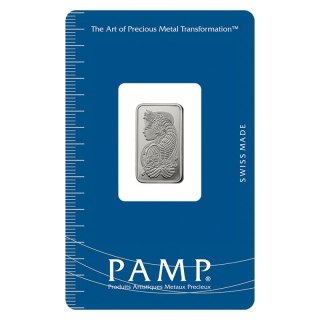
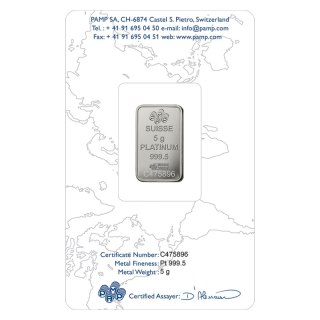
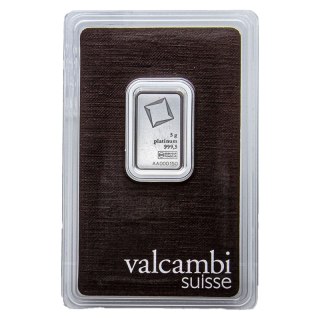
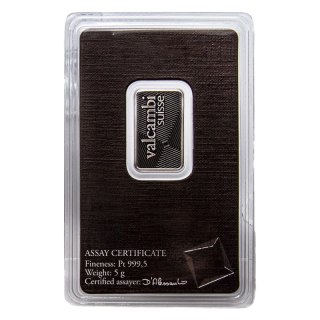
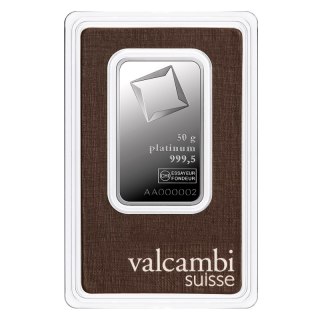
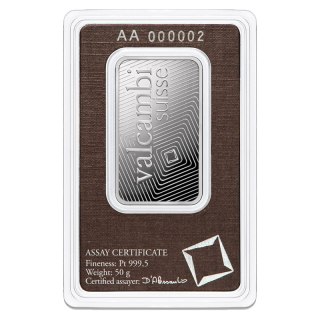
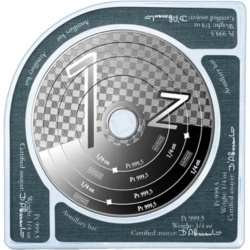
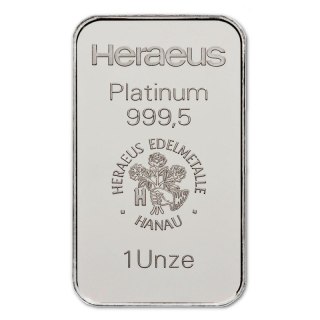
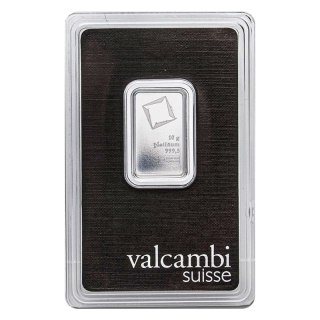
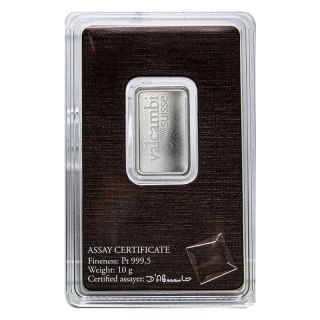
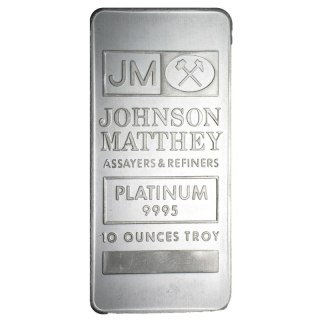
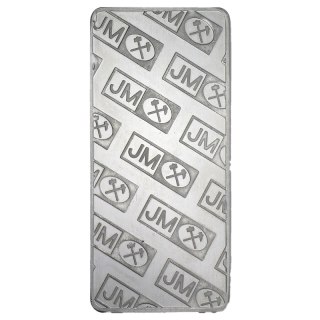
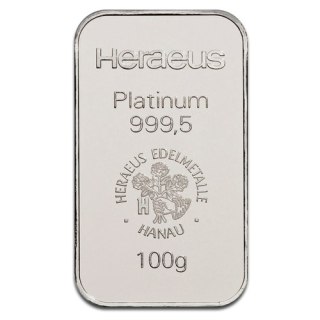
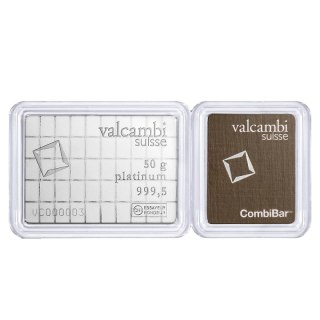
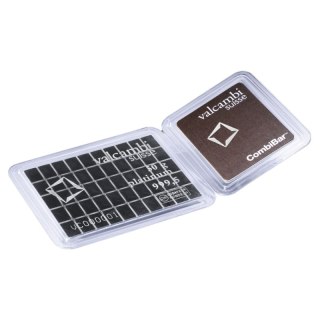
Platinum bars are available from refineries with LBMA accreditation — Valcambi, PAMP and Johnson Matthey — in weights from 1 g to 10 oz. Minted bars are supplied in a certipack with serial number, weight and fineness. The CombiBar format (Valcambi) allows the bar to be divided into smaller segments — a practical solution for buyers planning partial resale.
Palladium bars
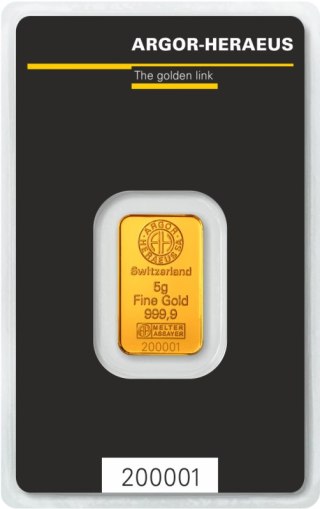
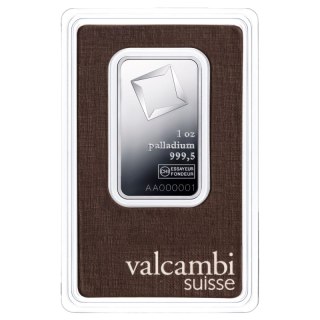
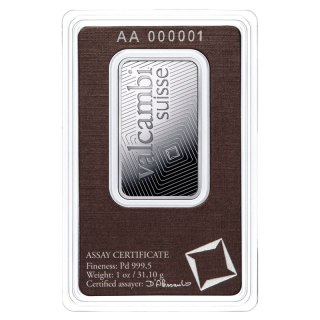
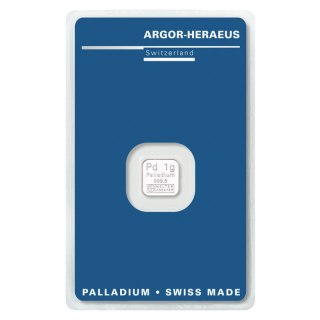
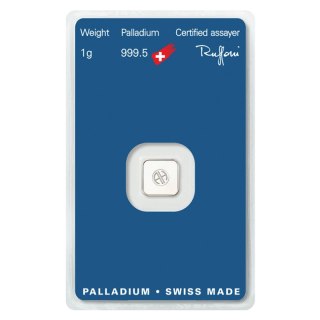
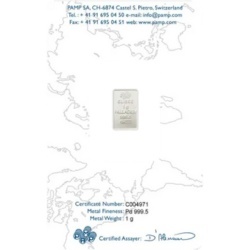
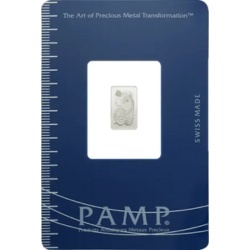
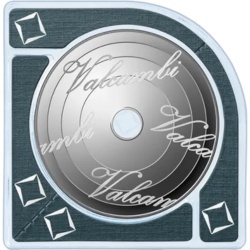
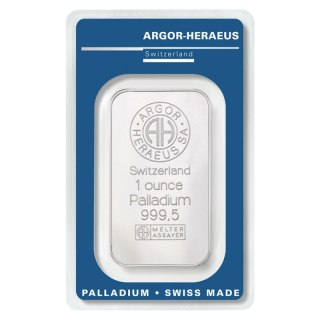
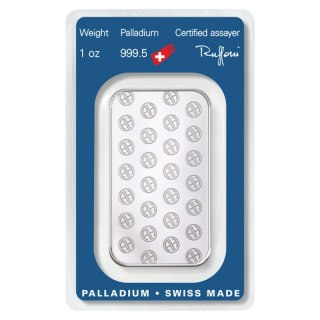
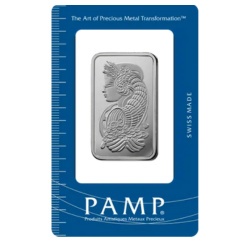
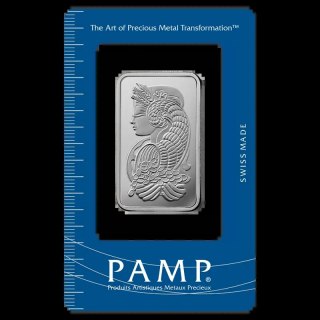
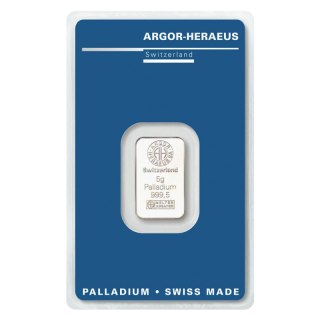
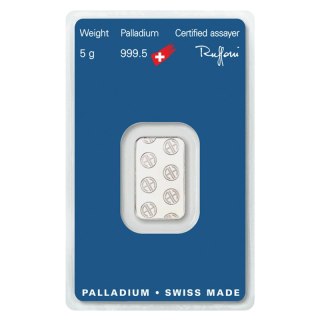
Palladium in bullion form is available exclusively as bars — from Valcambi, Argor-Heraeus and PAMP (Fortuna series). Weights range from 1 g to 1 oz, and each bar is supplied in a certified assay card with serial number and 999.5 fineness.
Due to the narrow physical palladium market, availability of individual weights and manufacturers may be limited. Bars of 1 oz offer the most favourable premium-to-weight ratio and the highest secondary liquidity in the palladium segment.
VAT on platinum and palladium
Both platinum and palladium are subject to VAT — regardless of form (coin, bar) and weight. Platinum group metals do not benefit from the tax exemption applicable to gold bullion (Directive 2006/112/EC). VAT is included in the retail price of every product.
When purchasing, it is worth analysing the total cost of entry — including VAT and the dealer premium. The tax status is indicated with each product. For matters concerning your individual tax situation, we recommend consulting a tax adviser. Current rate calculations are available on the precious metals prices page.
Platinum and palladium compared to gold and silver
Platinum group metals do not replace gold in a precious metals portfolio — they complement it. Gold is characterised by the highest liquidity, VAT exemption and a historically proven store-of-value function. Platinum and palladium add exposure to the next-generation industrial cycle — hydrogen technologies, automotive and electronics.
Silver occupies an intermediate position — combining the properties of a precious metal with broad industrial application, at a lower entry threshold than platinum group metals. Compare the available formats: gold coins, gold bars, silver coins and silver bars.
Why GoldInvest24?
GoldInvest24 is a specialised precious metals dealer with a range that includes platinum coins and bars as well as palladium bars from manufacturers with the highest reputation. Every product is precisely described — we provide the manufacturer, weight, fineness and production form so that you can make an informed purchasing decision.
- Platinum coins from Münze Österreich, Perth Mint and Royal Canadian Mint
- Platinum bars from Valcambi, PAMP and Johnson Matthey — from 1 g to 10 oz
- Palladium bars from Valcambi, Argor-Heraeus and PAMP — from 1 g to 1 oz
- All products with 999.5 fineness — international PGM standard
- Constant access to precious metals prices and platinum and palladium quotations
Compare the available products, check current prices and choose the form of physical platinum or palladium that matches your strategy. At GoldInvest24, you buy PGM metals from proven manufacturers — in formats valued on the international market.
FAQ — Frequently asked questions about platinum and palladium
What is the difference between platinum and palladium?
Both metals belong to the platinum group (PGM) and have a fineness of 999.5. They differ in their application profile — platinum dominates in hydrogen technologies, diesel catalytic converters and jewellery, while palladium accounts for around 85% of demand in petrol catalytic converters. Platinum is available as both coins and bars, palladium exclusively as bars from refineries.
How much does a platinum bar cost?
The price of a platinum bar depends on the current platinum spot price (quoted in USD per ounce), the exchange rate, the manufacturer and dealer margin, the weight and VAT. Platinum and palladium are priced separately and their quotations can be volatile due to strong industrial demand. You can read the current price on each product page, where it updates with the spot price.
Are platinum and palladium subject to VAT?
Yes — both metals are subject to VAT. Platinum group metals do not benefit from the tax exemption applicable to gold bullion. VAT is included in the retail price of every product.
Why are platinum and palladium so rare?
Annual platinum production is around 180 tonnes, palladium around 210 tonnes — by comparison, over 3,300 tonnes of gold are mined each year. Over 70% of platinum comes from a single region (South Africa), which further limits supply flexibility. This fundamental rarity distinguishes platinum group metals from other precious metals.
Why are there no palladium bullion coins?
There are no popular palladium bullion coins on the global market that are minted regularly. The Canadian Maple Leaf Pd was minted in limited runs (2005–2007, 2009), the American Palladium Eagle is produced in minimal collector quantities. The retail palladium market relies exclusively on bars from refineries — Valcambi, Argor-Heraeus and PAMP.
What weight of platinum bar should I choose?
It depends on budget and purpose. Bars of 1–5 g offer the lowest entry threshold but with the highest percentage premium. Coins of 1 oz (e.g. Vienna Philharmonic) offer the most favourable premium-to-weight ratio and the highest secondary liquidity. Bars of 10 oz are the format for buyers building a larger platinum position.
How to store platinum and palladium?
Platinum and palladium require the same storage conditions as gold — a dry location, no contact with abrasive surfaces, ideally in original packaging (assay card or certipack). Coins should be kept in protective capsules. Equally important is retaining purchase documentation, which facilitates later valuation and resale.
Browse by format
Platinum coins — six one-ounce and fractional coins from the Perth Mint, Münze Österreich, the US Mint and the Royal Canadian Mint. Platinum and palladium bars — platinum from 1 g to 100 g plus a CombiBar, and palladium in 5 g and one ounce.
Popular in this category
1 oz Australian Kangaroo Platinum Coin | 2026 · 1 oz Vienna Philharmonic Platinum Coin | 2026 · 1/25 oz Vienna Philharmonic Platinum Coin 2026