For free delivery are missing -,--
Order Summary
Sum 0,00 £
Price includes discounts

Silver Investment Coins
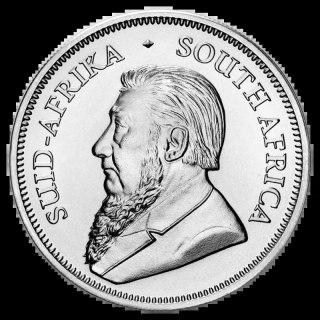
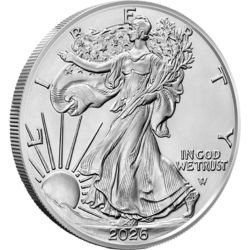
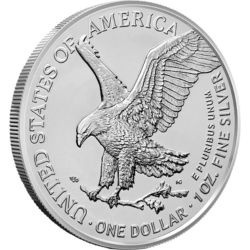
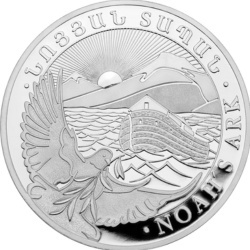
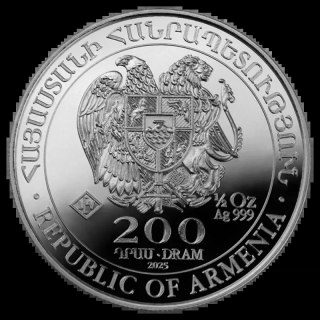
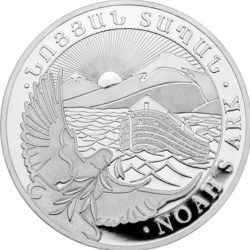
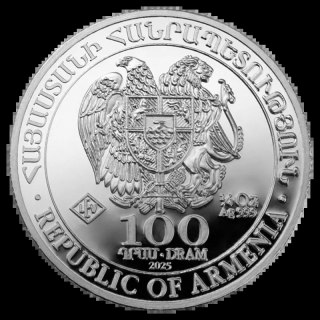
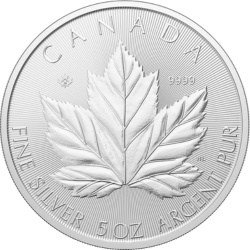
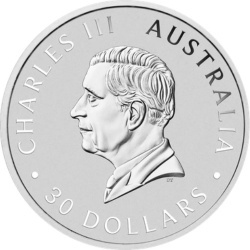
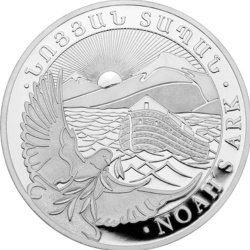
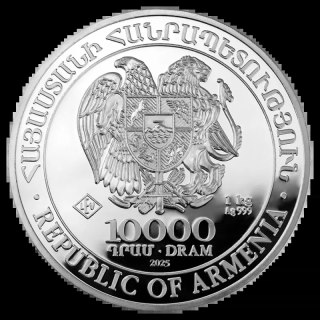
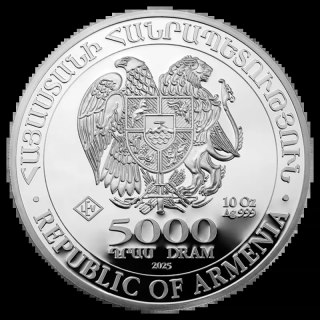
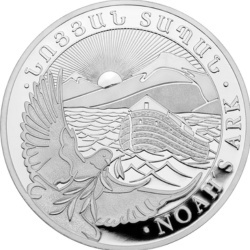
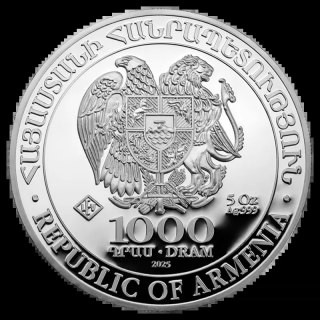
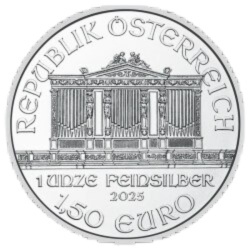
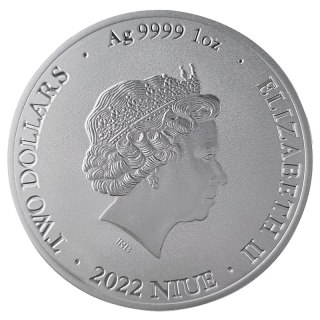
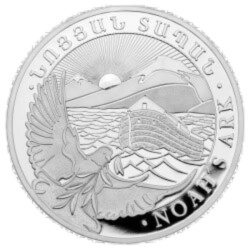
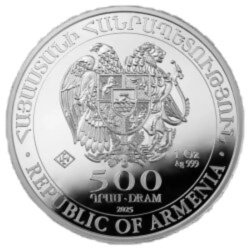
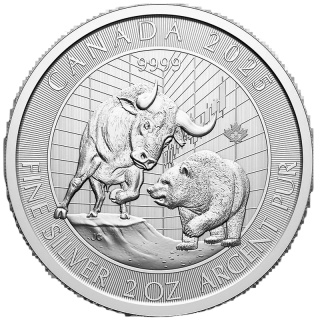
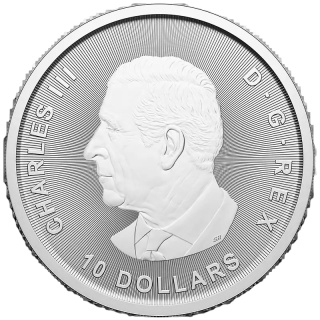
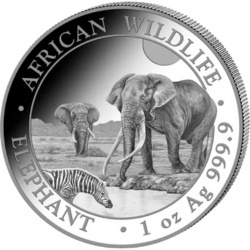
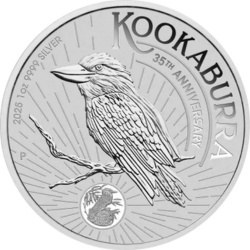
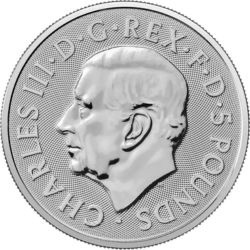
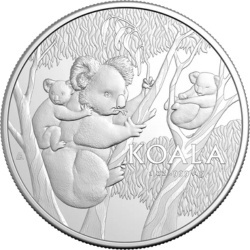
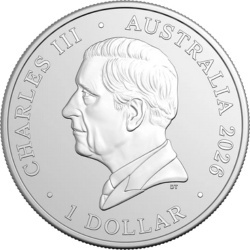
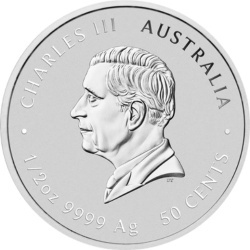
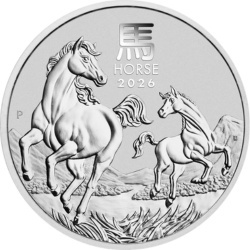
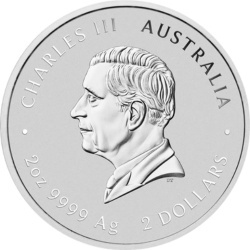
Number of products: 52Silver bullion coins are among the most popular ways to acquire physical silver. At GoldInvest24 you will find carefully selected issues from renowned mints — The Royal Mint, Perth Mint, Royal Canadian Mint, South African Mint and Munze Osterreich. Each coin combines a precisely defined precious metal content with international recognition and good liquidity on the secondary market.
We offer both silver coins 1 oz — the market standard valued for the most favourable price-to-weight ratio — and larger formats such as 2 oz, 10 oz and 1 kg. Regardless of the chosen weight, every product comes from a mint with LBMA accreditation and meets international fineness standards. Compare the available series, check current silver quotations and choose the coins that suit your requirements.

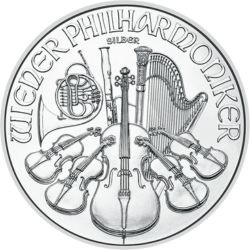
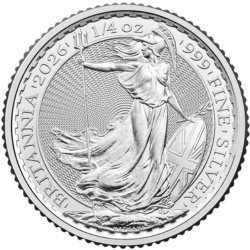
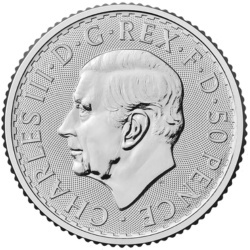
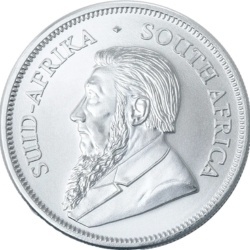
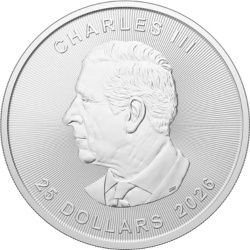
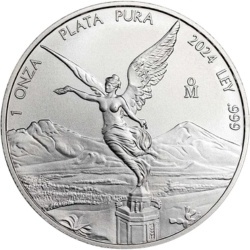
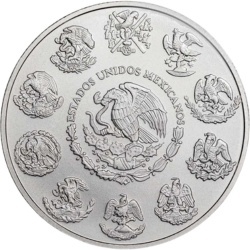
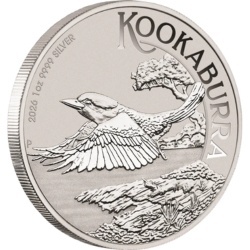
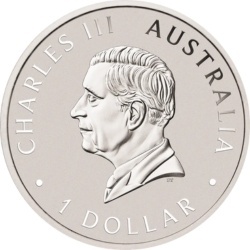
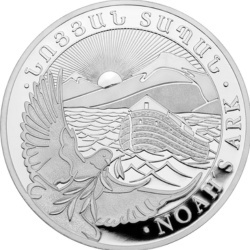
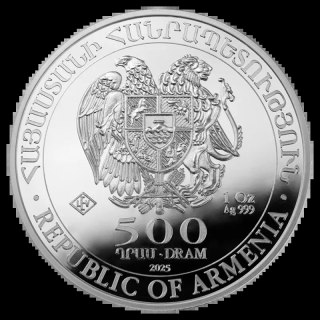
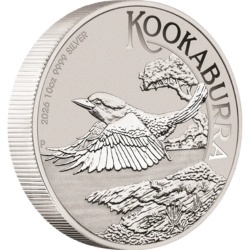
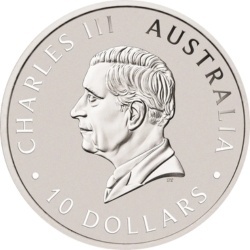
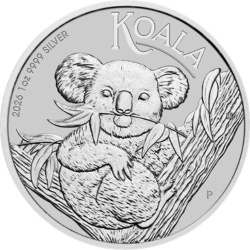
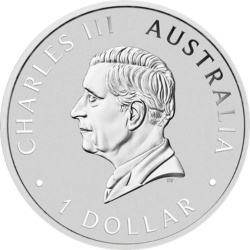
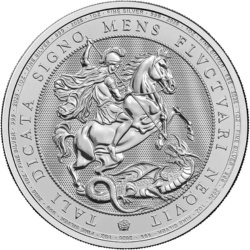
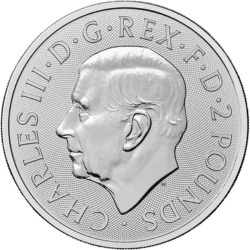
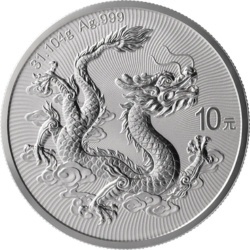
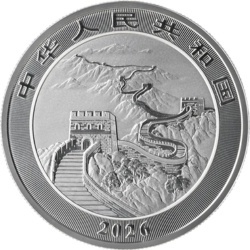
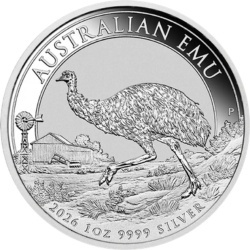
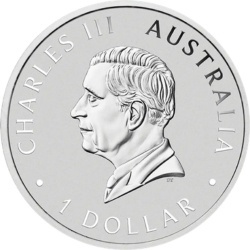
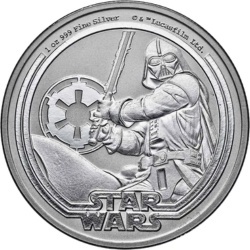
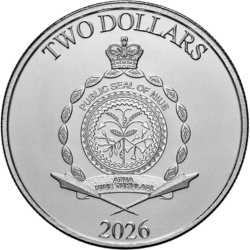
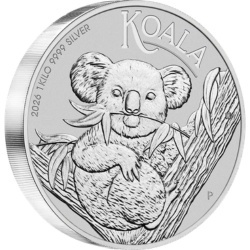
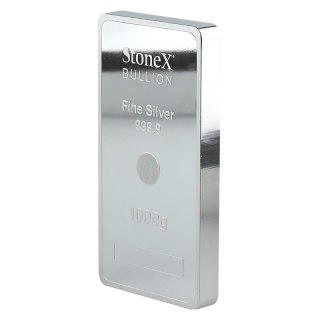
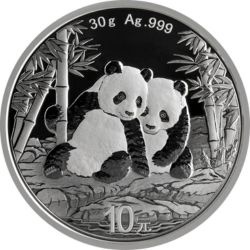
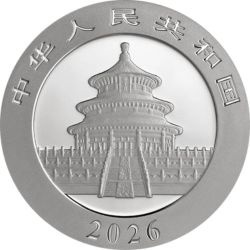
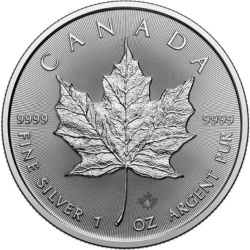

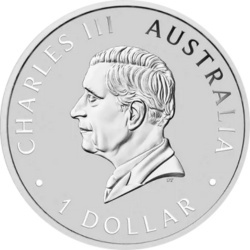
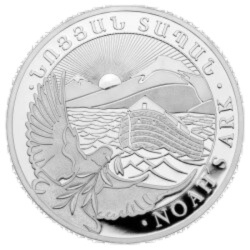
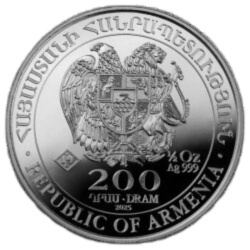
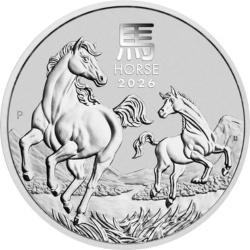
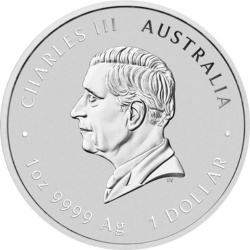
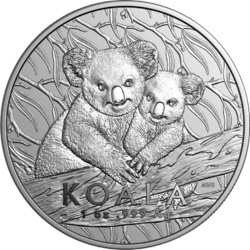
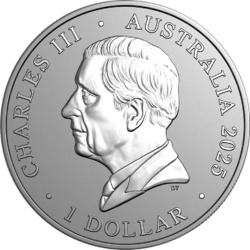
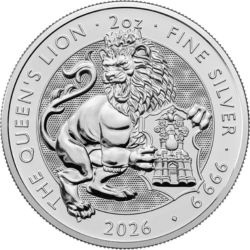
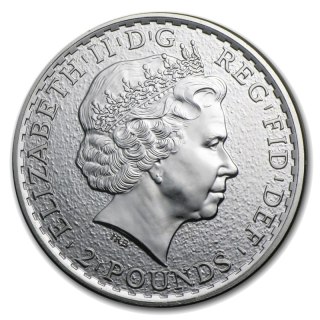
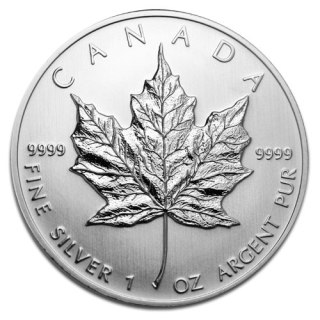
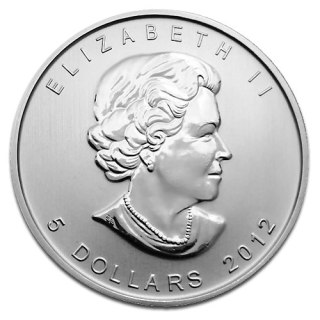

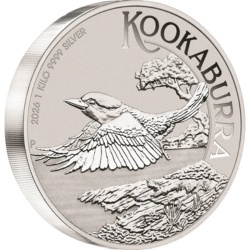
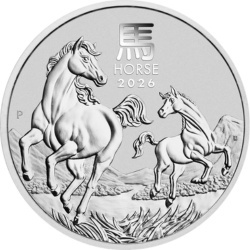
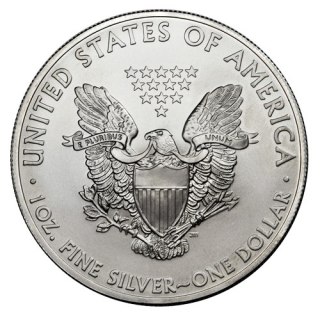
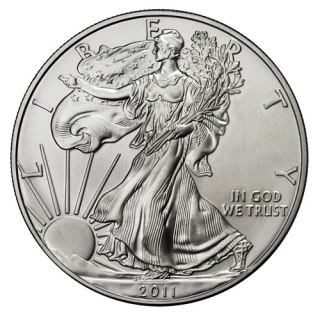
What are silver bullion coins?
Silver bullion coins are standardised mint products whose value derives primarily from the pure silver content, current precious metal quotations and the recognition of the issuer. Unlike collector and numismatic coins, bullion coins are produced specifically to represent the metal value precisely in a convenient, easily valued format.
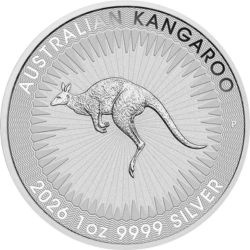
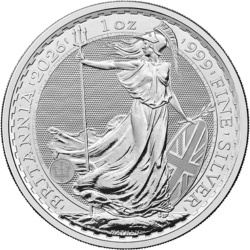
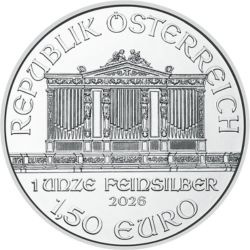
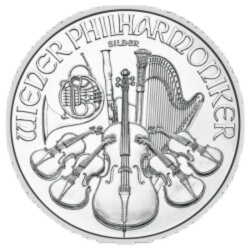
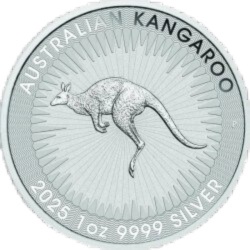
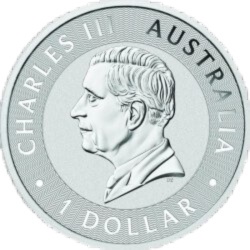
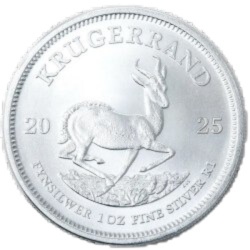
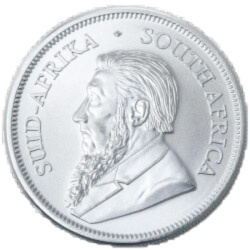
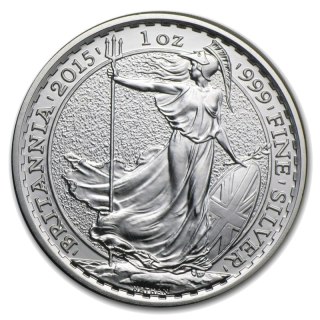
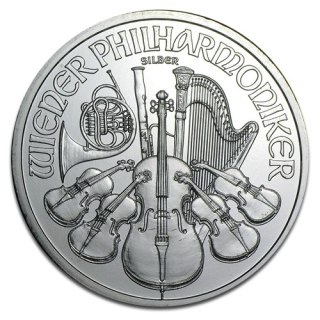
The most common weight standard is 1 troy ounce (31.1 g) — the format with the highest liquidity and the most favourable premium relative to the spot price. In market practice, one-ounce issues form the foundation of most positions based on physical silver. The most frequently chosen series — Krugerrand, Vienna Philharmonic, Maple Leaf, Britannia and Australian Kangaroo — are struck at a fineness of 999 or 999.9.
Why buy silver bullion coins?
Silver bullion coins combine three qualities that are hard to find in a single product — real precious metal value, global recognition and a lower entry threshold than gold. Silver as a precious metal serves a dual function — it is both a physical asset and an industrial commodity with wide applications in electronics, photovoltaics and medicine.
From the buyer's perspective, flexibility is particularly important. Coins allow you to build a position in stages, match different weights to your budget and, when needed, sell only part of the accumulated silver. The low unit price of a 1 oz coin makes silver accessible to a broader range of buyers than gold.
- Lower entry threshold than gold — a silver coin 1 oz costs a fraction of a gold coin
- Physical silver as a tangible asset held outside paper instruments
- Dual function of the metal — physical asset and industrial commodity
- High recognition of the most popular issues on the international market
- Gradual position building — according to budget and market conditions
Most popular silver coins — parameter comparison
The table below compares the key parameters of the five most frequently chosen bullion issues. A practical reference point when comparing fineness, weight, issuer and recognition of individual series.
| Coin | Mint / issuer | Fineness | Precious metal weight | Available since |
|---|---|---|---|---|
| Krugerrand | South African Mint / Rand Refinery | 999 | 1 oz = 31.1 g | 2017 |
| Vienna Philharmonic | Munze Osterreich | 999 | 1 oz = 31.1 g | 2008 |
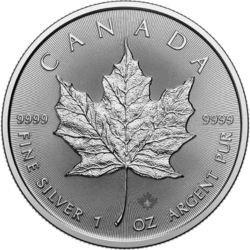
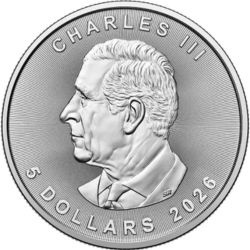
| Maple Leaf | Royal Canadian Mint | 999.9 | 1 oz = 31.1 g | 1988 |
| Britannia | The Royal Mint | 999 | 1 oz = 31.1 g | 1997 |
| Australian Kangaroo | Perth Mint | 999 | 1 oz = 31.1 g | 1993 |
In market practice, it is precisely one-ounce issues that form the core of most portfolios based on physical silver. The differences between them concern not only fineness but also the history of the series, secondary market position and the current premium above the silver spot price.
Silver coins 1 oz or larger formats — what to choose?
For buyers seeking the most favourable price-to-weight ratio in a coin format, silver coins 1 oz are the natural choice. The format with the highest liquidity, broadest availability and a strong position on the secondary market.
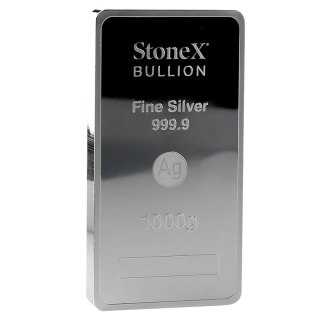
Larger formats — 2 oz, 10 oz, 1 kg — can offer a lower percentage premium at a higher one-off outlay. For building a larger silver position, kilogram formats maximise the quantity of precious metal purchased. An alternative is also silver bars, which at larger weights offer an even more favourable price ratio.
- 1 oz — market standard, highest liquidity and broadest availability
- 2 oz and 10 oz — compromise between premium and one-off outlay
- 1 kg — maximum precious metal quantity in a coin format
VAT on silver coins
Unlike gold, silver bullion coins are subject to VAT. Silver does not benefit from the tax exemption applicable to gold bullion under Directive 2006/112/EC. The purchase price of silver coins therefore includes VAT, resulting in a higher final premium relative to the spot price.
When purchasing, it is therefore worth analysing not only the silver price but also the total cost of entry — including VAT and the dealer premium. For matters concerning your individual tax situation, we recommend consulting a tax adviser.
How to choose silver bullion coins?
In market practice, buyers consider three factors — series recognition, the level of premium above the spot price and ease of subsequent resale. The more recognised and standardised the product, the easier it is to compare prices, estimate the spread and incorporate it into a long-term precious metals portfolio.
In the silver segment, the trading premium is also particularly important — it is proportionally higher than for gold. When selecting silver coins, it is therefore worth comparing not only the nominal price but also the ratio of premium to weight. Coins of 1 oz from renowned mints with LBMA accreditation combine good liquidity with a moderate premium.
What determines the price of a silver coin?
The price of a silver bullion coin derives primarily from current silver quotations on the international market, but this is not the only component of the final amount. The price is also influenced by the exchange rate (silver is priced in USD), the dealer premium, mint production costs, the popularity of a given series and the current availability of a specific issue.
Premiums on silver coins are proportionally higher than on gold — typically ranging from several to a dozen percent above the spot price. This is due to the lower unit value and higher production costs relative to the metal value. Before purchasing, it is worth regularly following precious metals prices and silver quotations.
Silver coins or silver bars — format comparison
The choice between coins and bars depends on the purpose of purchase, budget and preferred approach to portfolio building. Silver bullion coins stand out for recognition, liquidity and convenience during partial resale. Silver bars offer a simpler format and a more favourable price ratio at larger weights.
Many buyers combine both formats. Coins provide portfolio flexibility, while bars allow building a larger silver position on favourable terms. If you would like to compare both segments, check our silver bars category.
Why GoldInvest24?
GoldInvest24 is a specialised precious metals dealer with an offering based on recognised bullion series from mints with LBMA accreditation. Every product is precisely described — we provide fineness, precious metal weight, issuer and year of issue so that you can make an informed purchasing decision.
- Offering based on recognised series from mints with LBMA accreditation
- Silver coins 1 oz and larger formats to suit different budget levels
- Option to expand your portfolio with silver bars and gold coins
- Constant access to precious metals prices and silver quotations
- Purchase of physical silver in a specialised online shop
Compare the available series, check current prices and choose silver coins that match your strategy. At GoldInvest24, you buy physical silver in a format valued on the international market.
FAQ — Frequently asked questions about silver coins
Is it worth buying silver bullion coins?
For many buyers, silver bullion coins represent a practical way to diversify savings and shift a portion of funds into a physical asset. Silver combines the function of a precious metal with broad industrial applications, giving it a specific market profile. The lower entry threshold compared to gold makes silver accessible to a broader range of buyers.
Which silver coins are most frequently chosen?
The greatest interest is in series with an established market position — Krugerrand, Vienna Philharmonic, Maple Leaf, Britannia and Australian Kangaroo. They share recognition among dealers and buyers across many markets, as well as high liquidity.
Are silver coins subject to VAT?
Yes — silver bullion coins are subject to VAT. Silver does not benefit from the tax exemption applicable to gold bullion. VAT is included in the purchase price, resulting in a higher premium relative to the silver spot price.
Silver coins 1 oz or larger — what is better?
One-ounce coins offer the highest liquidity and broadest availability on the market. Larger formats (2 oz, 10 oz, 1 kg) may have a lower percentage premium but require a higher one-off outlay. An alternative is silver bars, which at weights from 100 g offer a more favourable price ratio.
What determines the price of a silver coin?
The price derives from current silver quotations on the global market (spot price), the USD/EUR exchange rate, the dealer premium, mint production costs and the popularity and availability of a specific issue. Premiums on silver coins are proportionally higher than on gold coins.
How to store silver coins?
Silver coins should be protected to minimise the risk of mechanical damage, scratching and moisture exposure — home safe, deposit box or protective capsules. Silver is more susceptible to tarnishing than gold, so it is worth retaining original packaging. It is equally important to keep purchase documentation.
Silver coins or silver bars — what to choose?
Coins stand out for recognition and liquidity, while bars offer a more favourable price ratio at larger weights. There is no single ideal solution — many buyers combine both formats. Compare both categories: silver coins and silver bars.